Time and Space Where Sounds Intermingle: Hidaka Riki × Oren Ambarchi’s Improvisation Resonating at Berlin’s Morphine Raum
Two Sonic Worlds Intersect in a Pandemic-Born Experimental Space
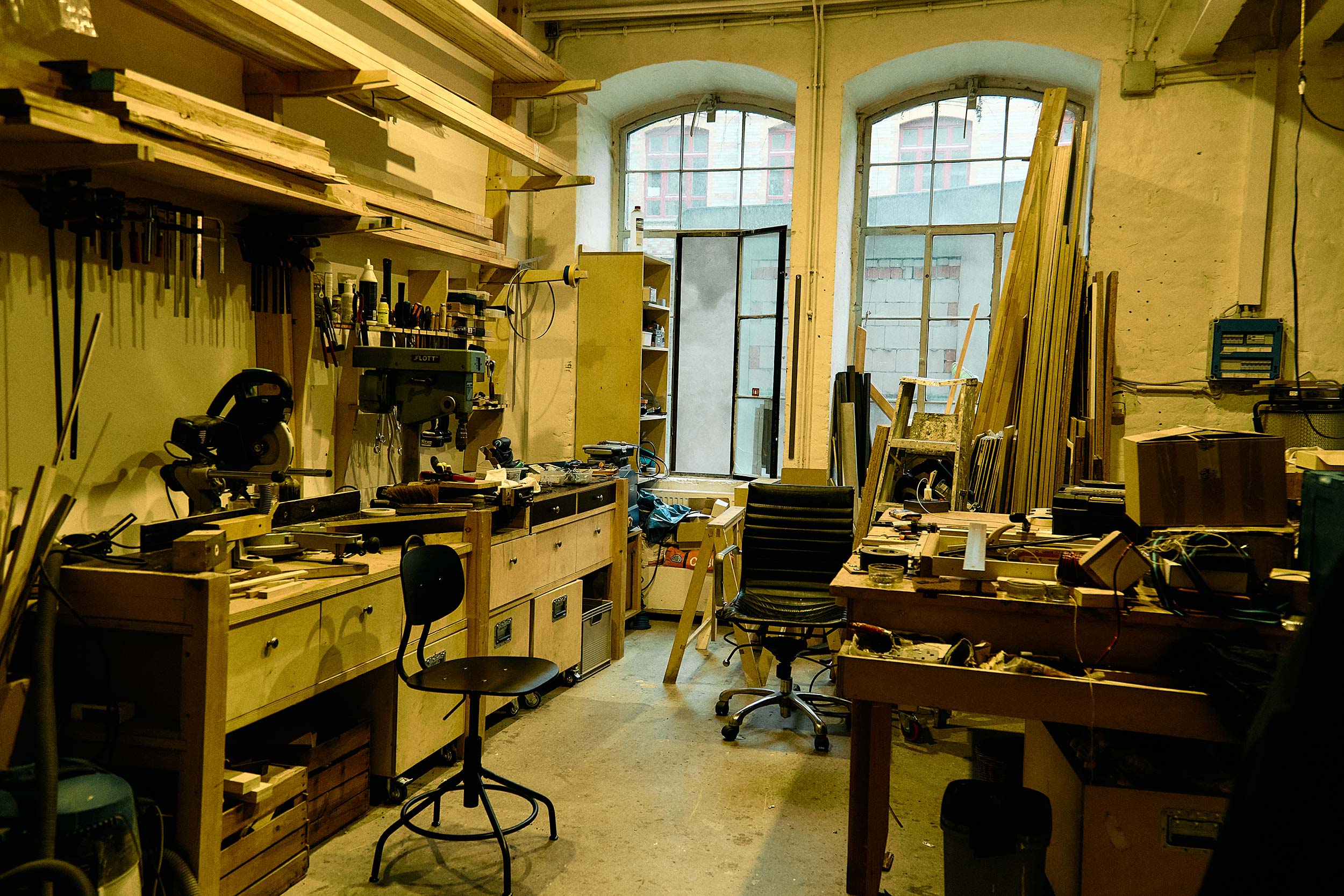
In the industrial area of Berlin’s Kreuzberg district stands a studio that from the outside gives no hint of its existence. Morphine Raum is such a place. Upon entering, one encounters a unique space that transcends conventional notions of “venue” or “recording studio.” This report examines what this space generates through the July session between Riki Hidaka and Oren Ambarchi, and explores musical engagement within Berlin’s experimental music scene.
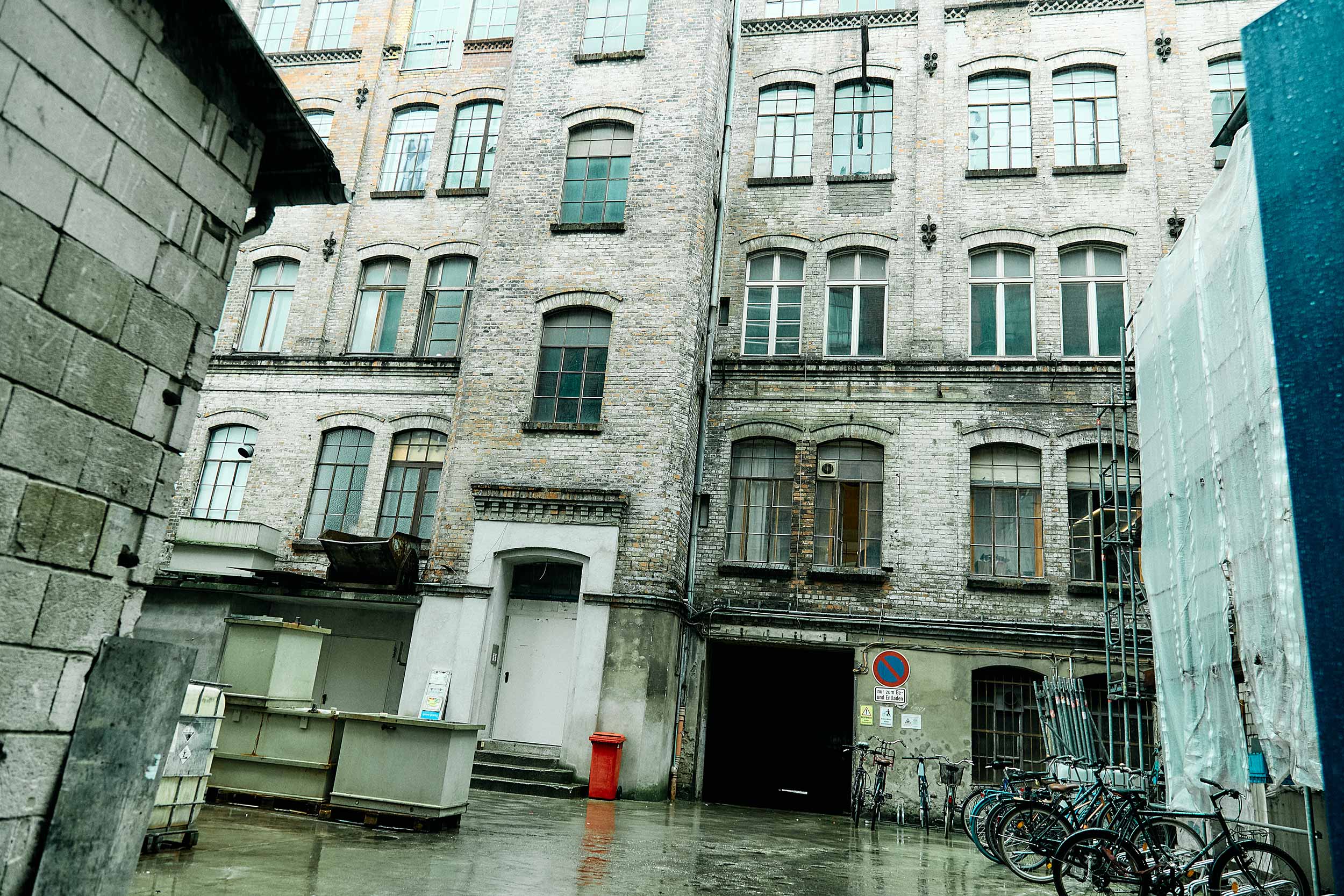
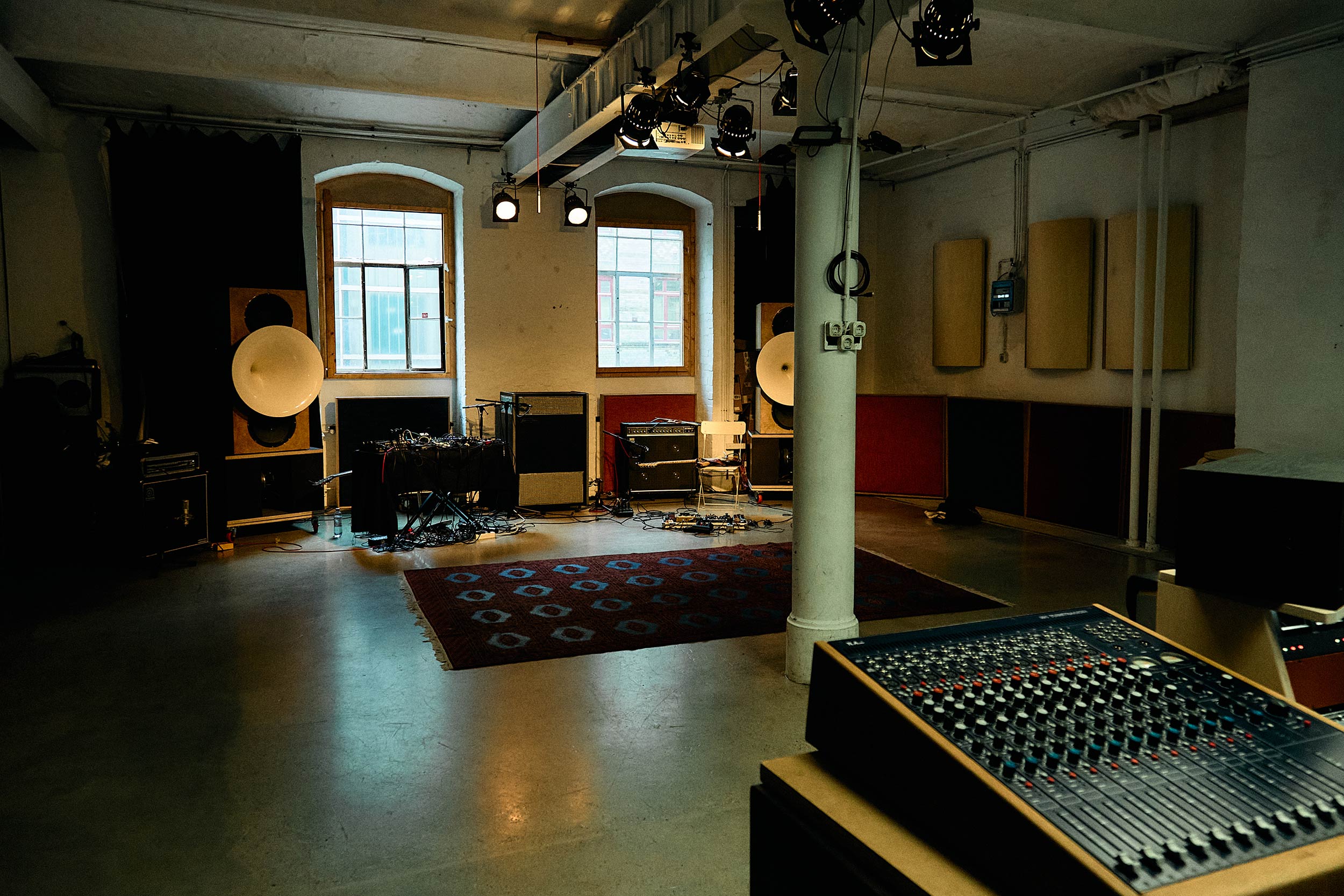
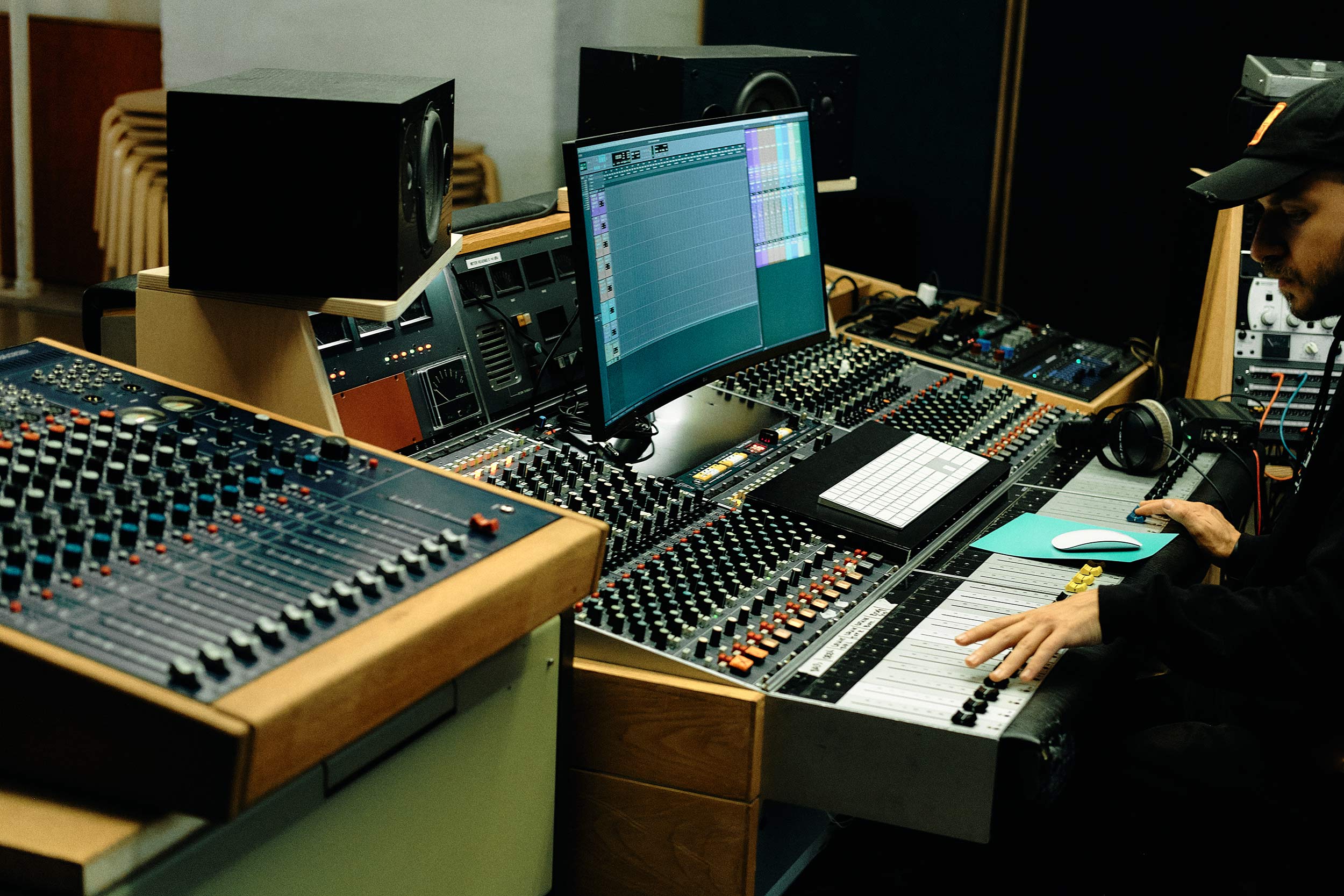
Morphine Raum’s construction is distinctive. There are no clear boundaries between audience seating and performance area, with high-quality microphones and preamps positioned throughout the room. This experimental recording space was born in August 2021, in the midst of the COVID-19 pandemic. As founder Rabih Beaini, a music producer and engineer who immigrated from Lebanon, explains, this place is designed with a concept inspired by legendary jazz recordings of the 1950s-60s: “capturing the tension and unique atmosphere of live performance with professional recording technology.” There is no separate engineer’s room—everything is shared in one space.
Two Artists, One Room, Infinite Possibilities
In late July, Riki Hidaka, visiting Berlin during betcover!!’s world tour, and Oren Ambarchi, a veteran of Australia’s experimental music scene, converged in this unique space. The session was realized as a completely independent project by the Japanese planner Kazumi, with both artists participating as performers receiving performance fees. While the two had previous acquaintance through their session experiences with Eiko Ishibashi and Jim O’Rourke, they had never had the opportunity to session together before. Despite being announced only a week prior, the normally 40-capacity venue saw all 50 advance tickets (sold through Rabih’s generosity) completely sold out, with additional attendees arriving on the day, ultimately gathering over 70 people including staff. Hidaka’s ethereal guitar and Ambarchi’s genre-crossing approach produced “un-guitar-like sounds”—this intersection of two sonic approaches was witnessed by the audience in breathless silence.
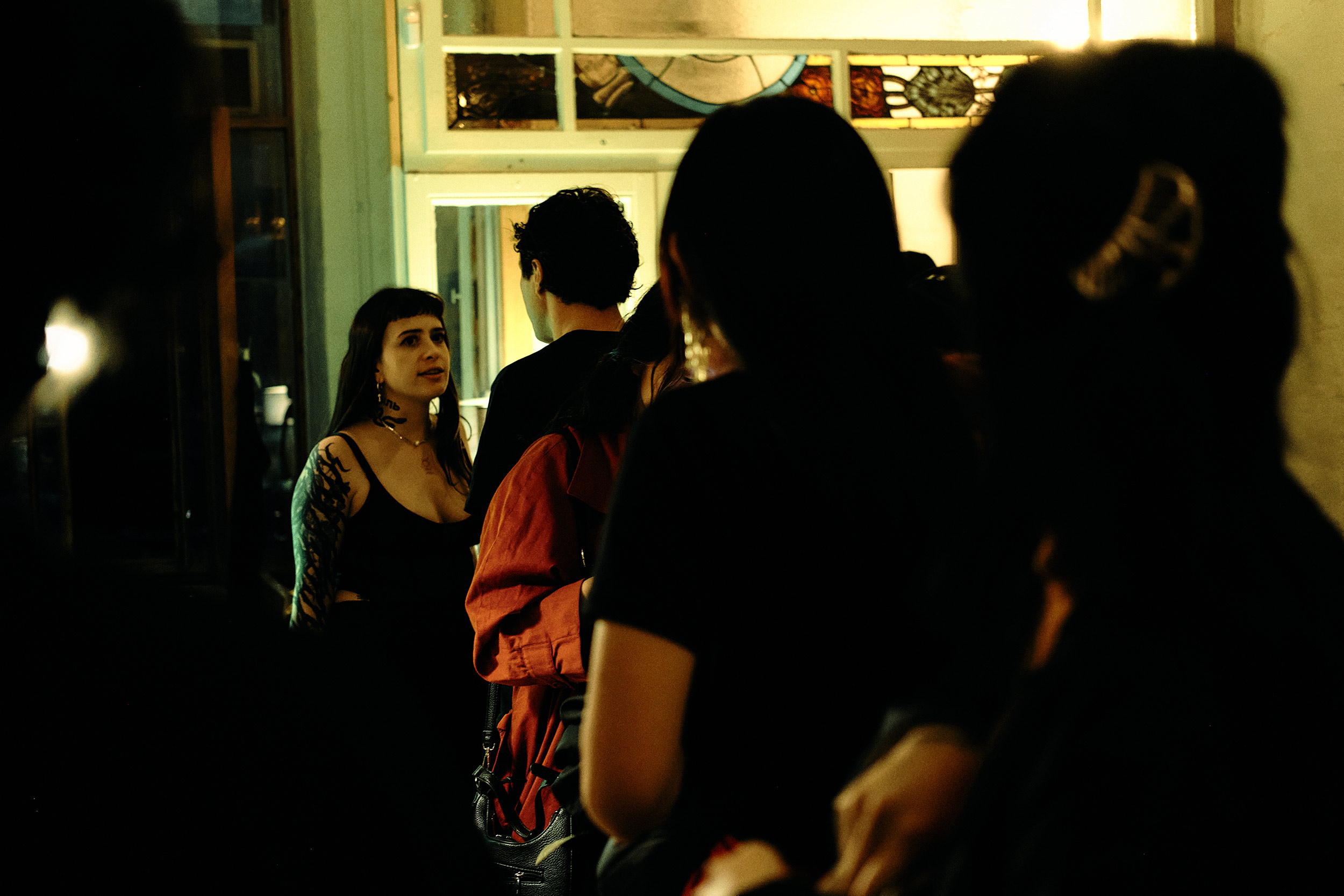
Despite being announced only a week prior, the venue drew such crowds that lines formed outside. This demonstrated Berlin’s extraordinary sensitivity to music. The project was conceived by Japanese collaborators and realized in Berlin, creating an international session that seemed perfectly integrated into the city’s fabric. The fact that I was given the opportunity to write about this experience was itself a testament to the profound inclusiveness of Berlin’s music community—an impressive evening indeed.
“People actually come and experience the performances taking place there, but they know everything is being recorded and are very quiet,” as Rabih explained. True to his words, the audience sat on the floor, holding their breath and concentrating intently on the performance.
When the Room Becomes an Instrument
As the performance began, Morphine Raum’s design philosophy manifested as sound. On this day, Ambarchi wove passages from the recently released Ghosted III into his performance, with dry guitar tones receiving delay that resonated beautifully with the room’s walls. Meanwhile, hidaka pursued the possibilities of the guitar with an ethereal approach reminiscent of his 2024 release Spine, employing bowing techniques throughout.
Oren Ambrachi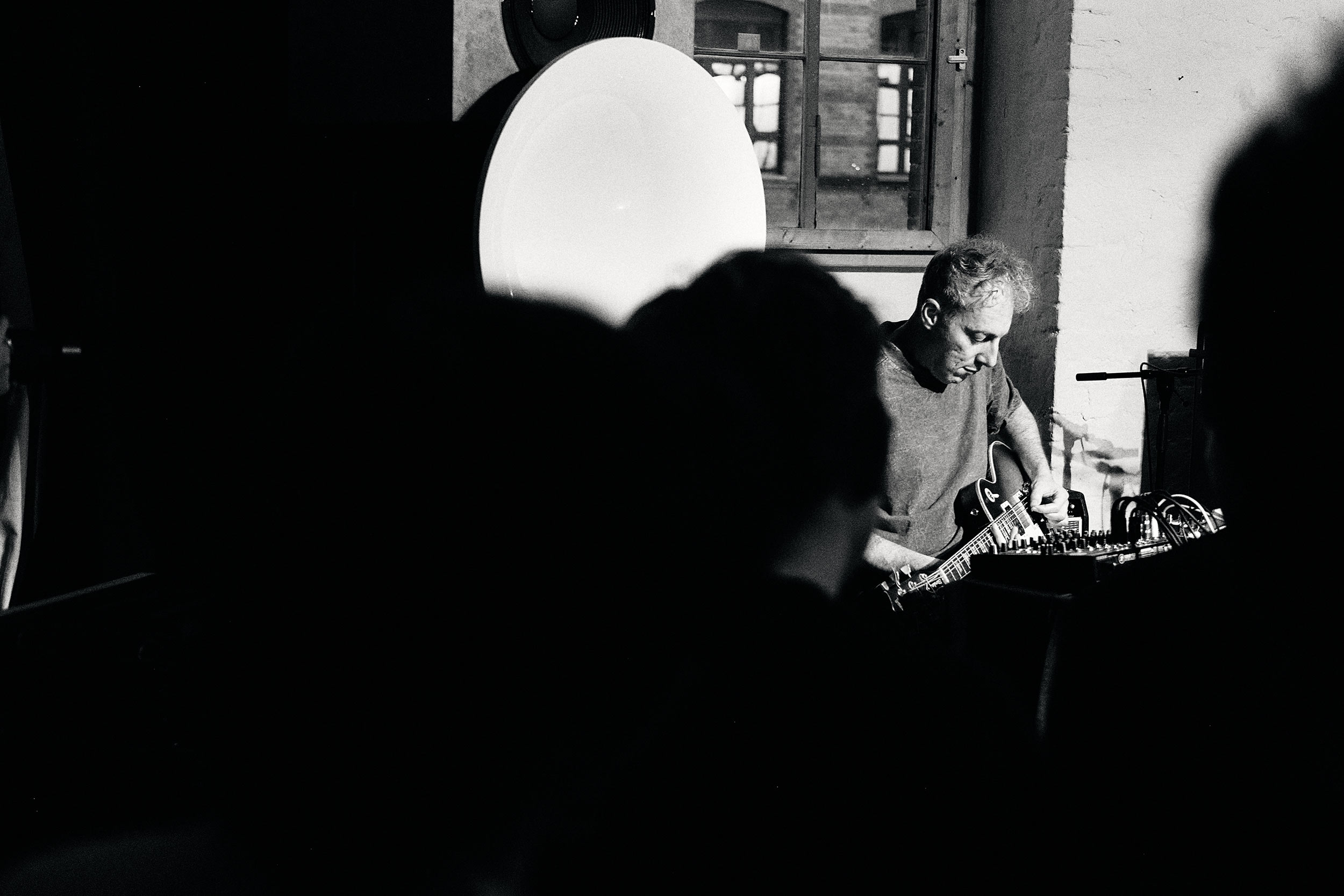
The two musicians’ performance unfolded with shifting dynamics, exploring each other’s sonic languages while maximizing the potential of Morphine Raum as an “instrument.” As Rabie noted, “the room’s acoustics and modes significantly influence the recording”—this space itself functioned as a third performer. Divided into two 30-minute sets in the first and second half performance was a pure improvised session that unfolded without prior arrangement. The audience’s presence brought subtle tension to the performance, which was certainly captured in the recording, becoming a “crystal of time.
Riki Hidaka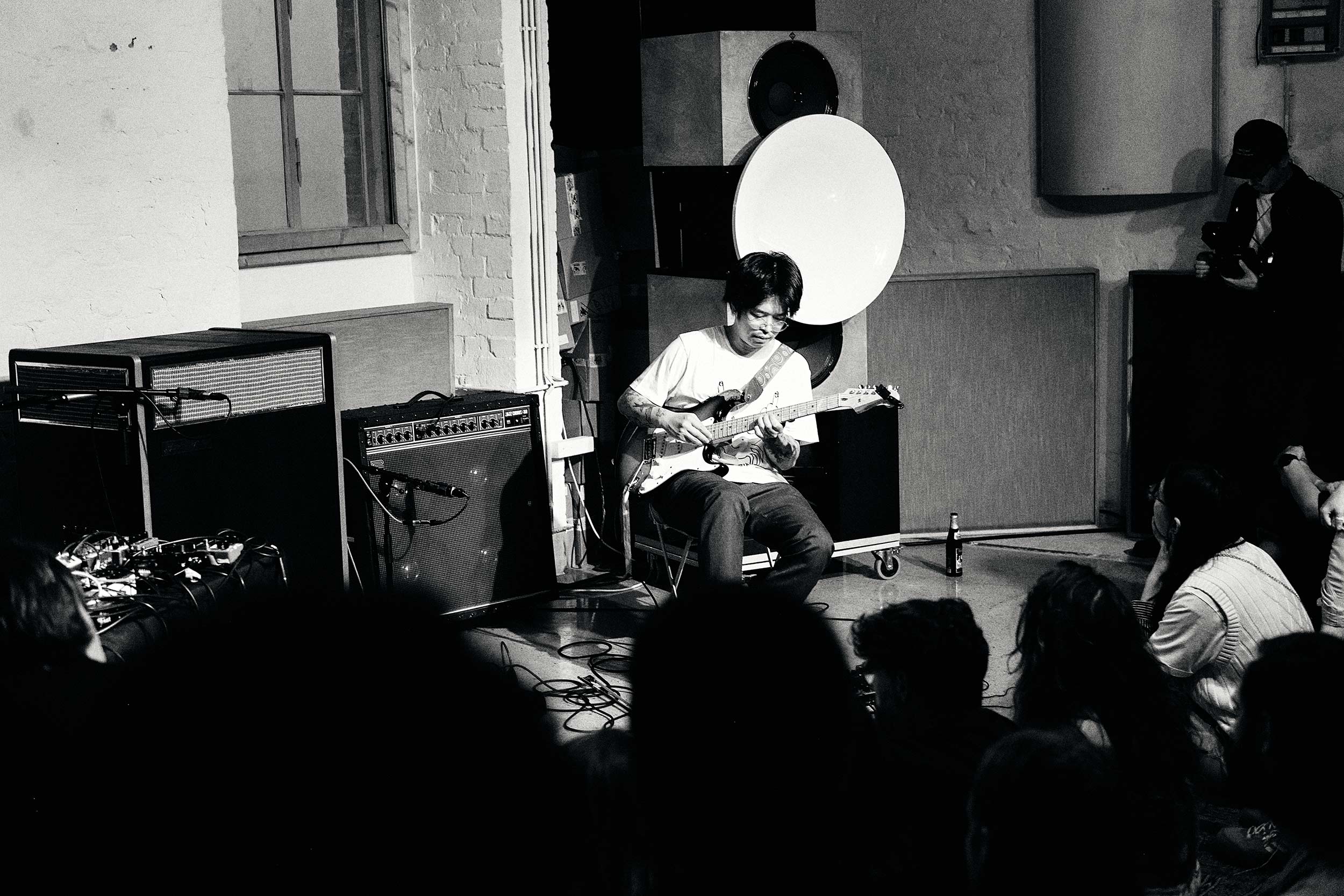
Community Supporting Experimental Music’s Future
This night’s experience clearly demonstrated the new model of music production that Morphine Raum embodies. The social funding system where “musicians rent the studio and audiences contribute donations to cover part of the costs” provides an ideal environment particularly for the improvisation and experimental music scene. Rabi states, “The only thing that can save the scene and us is actually the scene itself—the community.” Amid gentrification, rapidly rising rents, and inflation, as Berlin’s cultural facilities face increasing hardships, the significance of independent, autonomous community spaces like Morphine Raum becomes ever more crucial. Listeners understand this too.
Rabih Beaini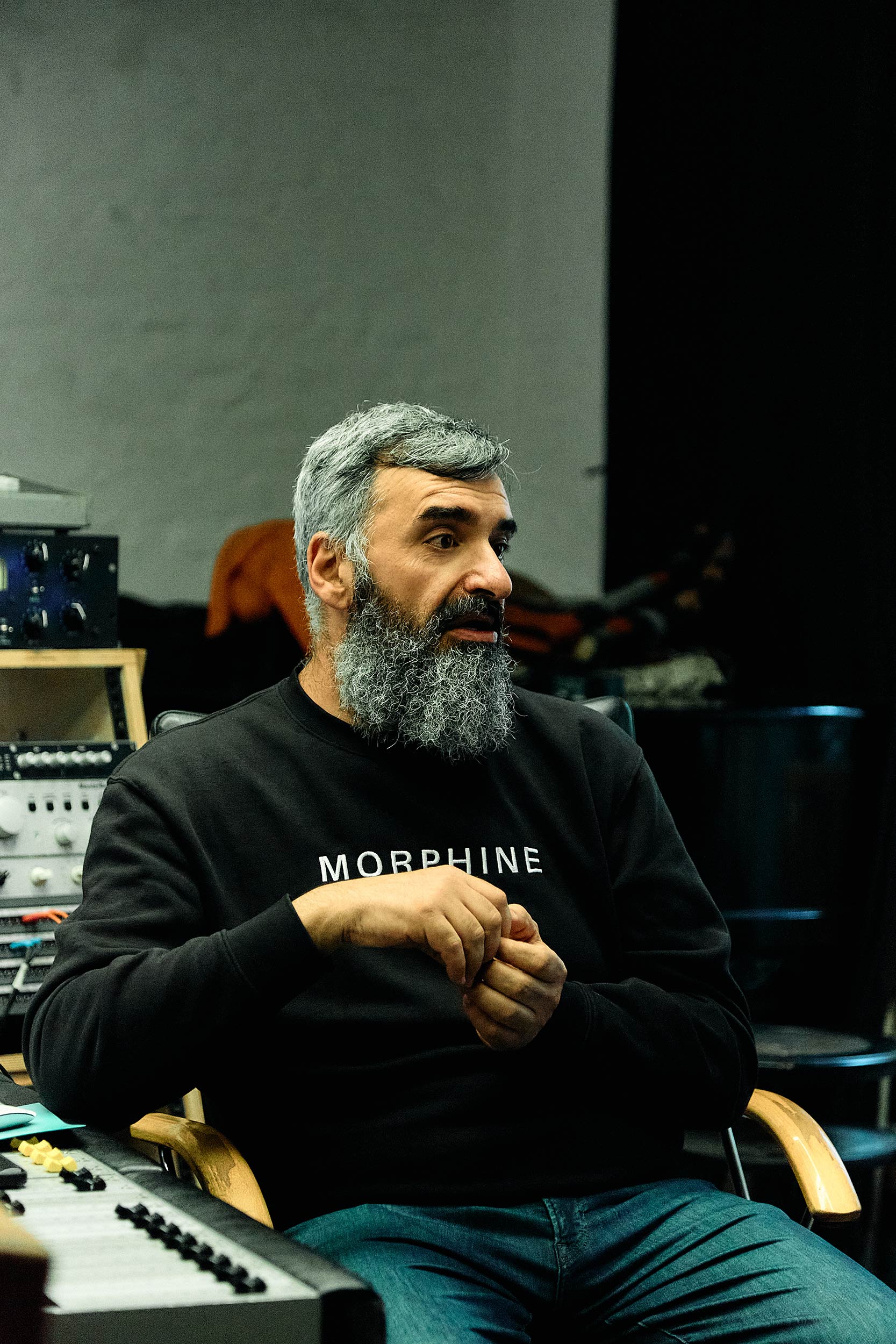
Moments Recorded, Sensations Unrecorded
After the performance ended, the audience naturally began dialoguing about their impressions. While this time isn’t recorded, here lies Morphine Raum’s true value: a space where music production and community formation occur simultaneously—neither merely a recording studio nor simply a live venue, but an entirely new cultural apparatus.
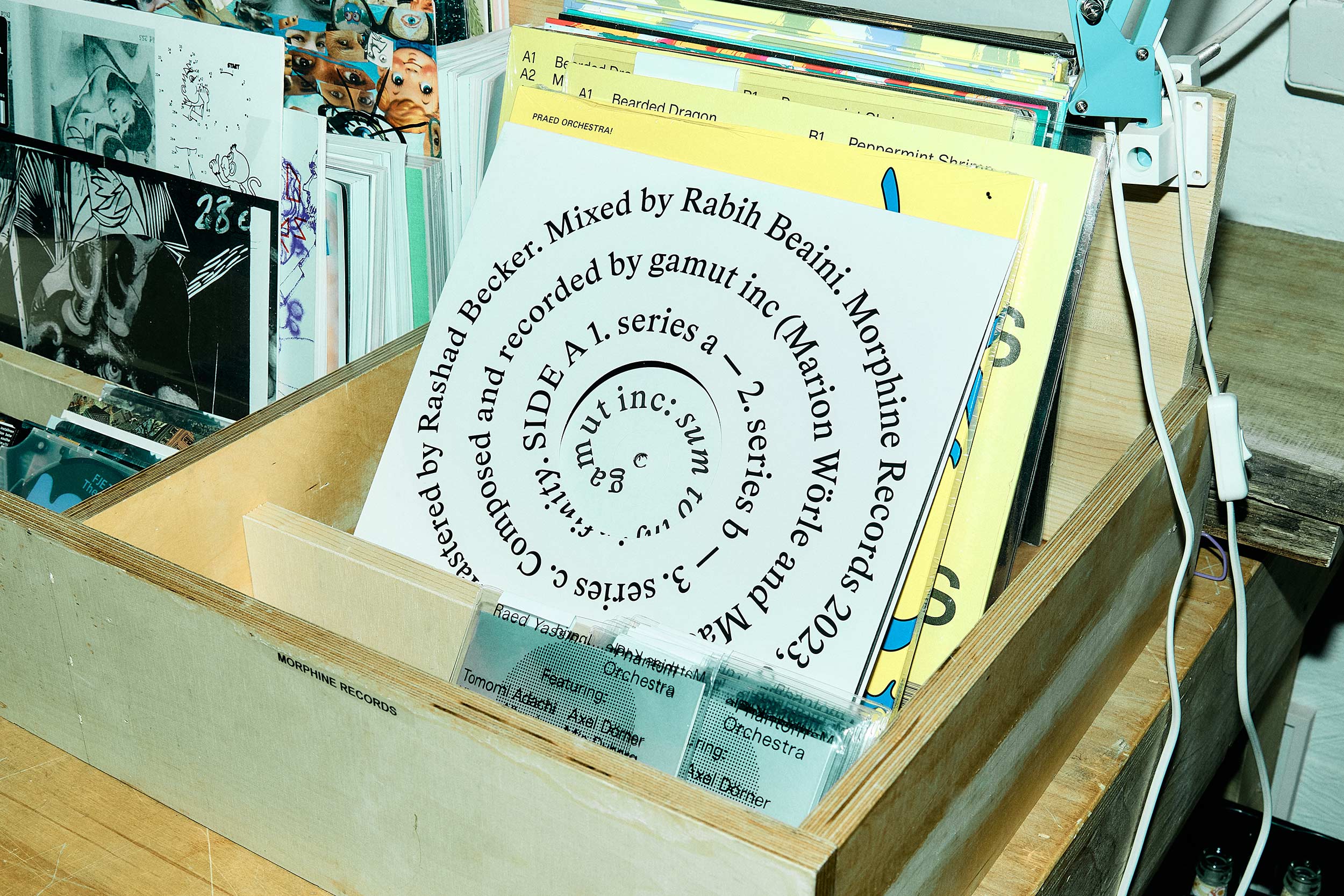
Riki Hidaka and Oren Ambarchi’s session is etched into the audience’s memory as a once-only artistic experience while simultaneously being preserved as a high-quality recording for posterity. What Morphine Raum presents might be new possibilities for 21st-century music production—a manifestation of experimental spirit that addresses the contradictory elements of recording and experience, isolation and community, experimentation and sustainability. As long as places founded on such goodwill continue to exist, the spirituality that has been passed down through Berlin’s generations will endure.
Through the connections born from this project, a Ghosted III record listening session and talk session with Oren Ambarchi will be held at Berlin jazz bar Rhinoçéros on September 8th, with the author participating as interviewer. The musical dialogue that began with the improvised session at Morphine Raum continues in new forms, both macro and micro. I want to participate in the act of “preserving” by weaving sound and voice, recording as much as possible. Even if these are small endeavors that may not remain in history. Music continues to be born, and listeners continue to grow. And whether in Tokyo or Berlin, as long as musicians remain progressive, they may intersect somewhere.
Interview & Text by Hiroyoshi Tomite
Photograph by Yuko Kotetsu
Text By Hiroyoshi Tomite